Dura City
About Dura
Accounts differ on the origin of Dura's name. Its ancient Canaanite name comes from the word "Dor", meaning "dwelling", and so it was called Adoraim (Adoraim). In the Roman era it was called (Adora). Since ancient times it has been famous for its vineyards and its grapes, known as "Douri" grapes.
Settlement in Dura dates back to the ancient Canaanites, who lived there about 5,000 years ago, as shown by excavations at Tell Beit Mirsim, where pottery tablets reflecting Canaanite religion and culture were found. Dura was occupied by the Persians in 332 BC. In the Roman era, the country was divided into provinces, and Dura became part of the province of Idumea.
Documents show that Dura rose up against Ibrahim Pasha, who had rebelled against the legitimate Sultan with French encouragement and funding, during Ottoman rule. Between 1874 and 1878, Dura was visited by an exploration mission that described it as a large, thriving village with a shrine containing a stone sarcophagus, the Shrine of Prophet Noah. The historian Schölch noted that until the mid-1860s the sheikhs of Dura continued to decide local affairs in their areas because of their resistance to the occupying authorities of the time. During the 1936-1939 revolt, Dura was besieged more than once, and after 1967 it was repeatedly besieged for resisting the Israeli occupation. During this period, the Jordanian government tried to survey land in the West Bank, but the 1967 war came before the work was completed.
Dura under Israeli Occupation
Like other cities in the West Bank, Dura came under Israeli occupation and suffered greatly from killings, displacement, pursuit and land confiscation. Statistics indicate that Israel seized about 96,000 dunums of land in the Dura area.
Dura under the Palestinian National Authority
Attempts by Israeli forces to seize land continued, leading citizens to form the National Committee Against Settlement. Despite all these obstacles, Dura gained a prominent position under the Palestinian National Authority, as several ministries and government institutions set up offices in the city, strengthening its standing and administrative role.
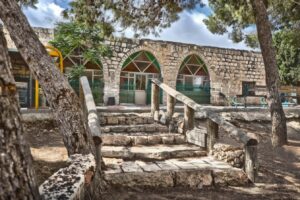
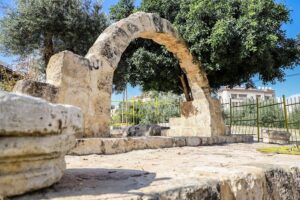
Dura is rich in archaeological sites and cultural and historical heritage, which has helped to root Palestinian identity. Its archaeological sites are living witnesses to its long history.
Successive Dura municipalities have therefore taken care to preserve them, to strengthen Palestinians' steadfastness and roots in their land and to allow current and future generations to understand the development of their culture, civilization, history and origins.
For this reason, Dura's municipal councils have worked to turn these sites into tourist attractions where visitors can learn about the area's cultural and historical heritage, supporting the local economy on the one hand and protecting the sites from the threats of occupation on the other. They have restored them and protected them from pollution, vandalism and climate change. Dura Municipality has also planned to encourage tourism in the city, especially eco-tourism, by creating tourist trails in several areas known for their natural beauty, greenery and calm, to connect visitors from home and abroad with the Palestinian countryside.
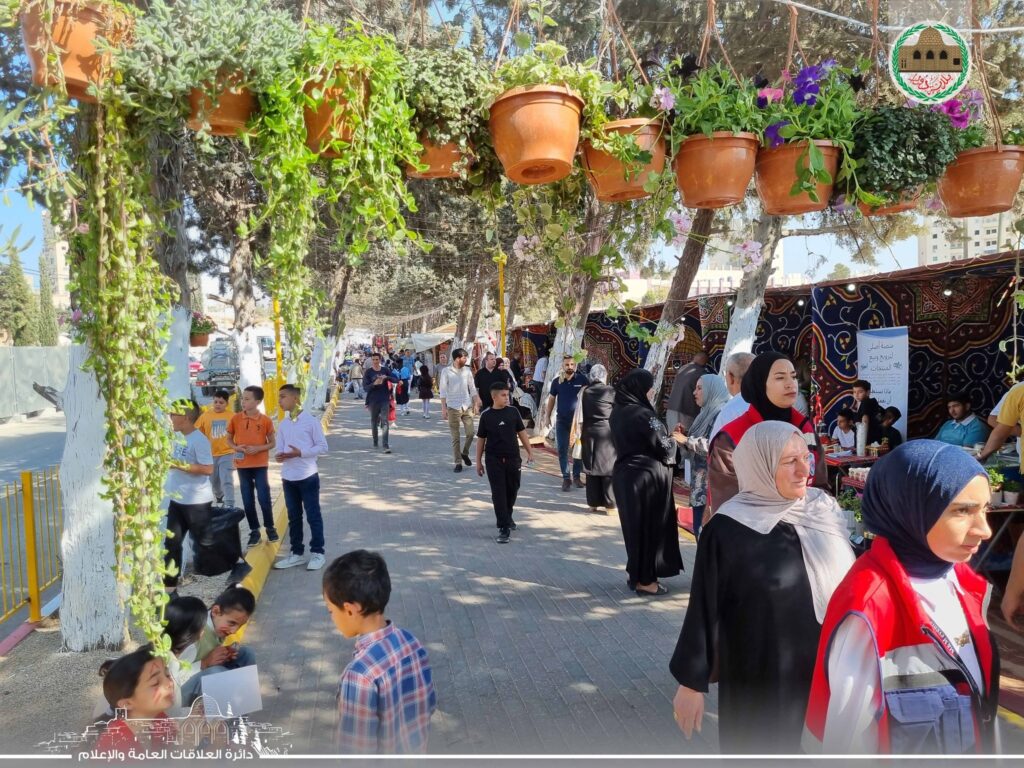
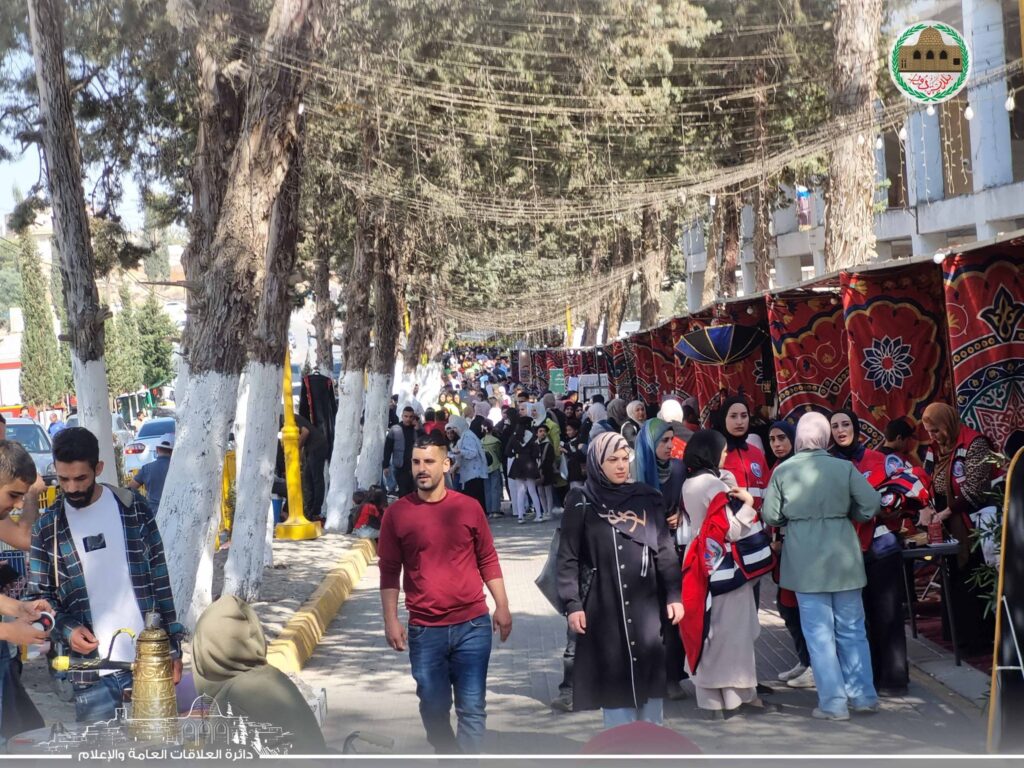
Photos of the city's heritage tourist trails:
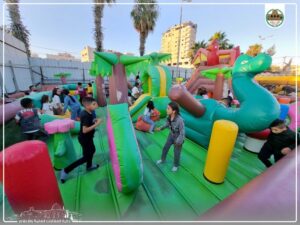
The inflatable games area in Dura Municipality Park, which strengthens partnership with the private sector, creates jobs and encourages tourism and recreation
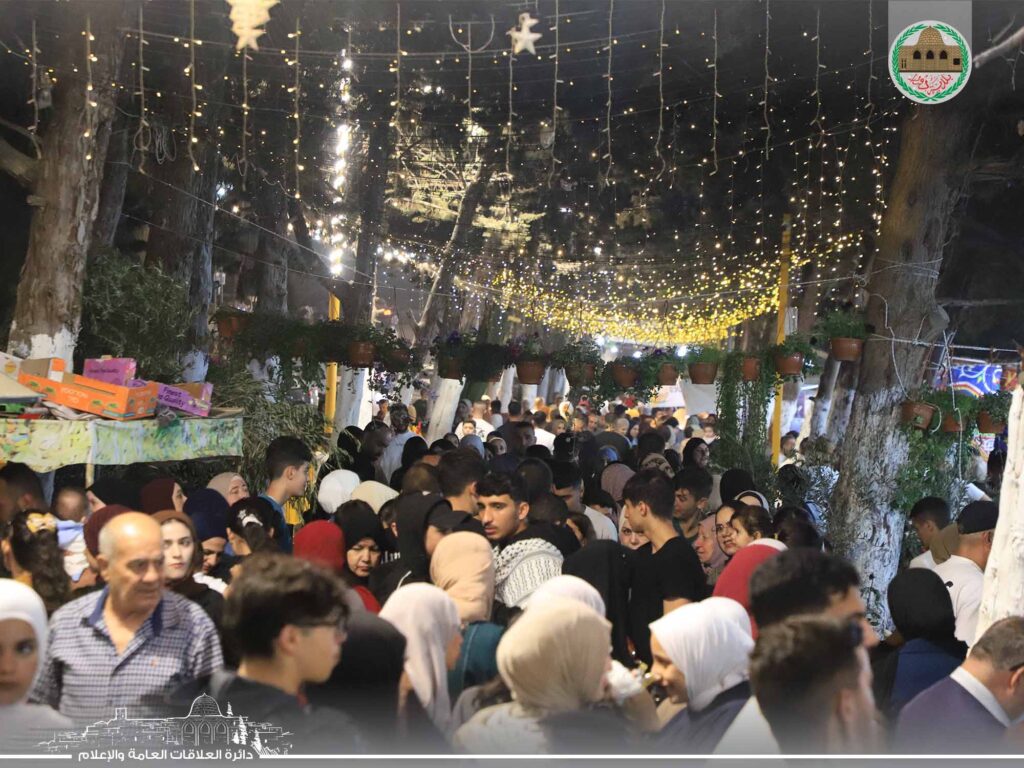
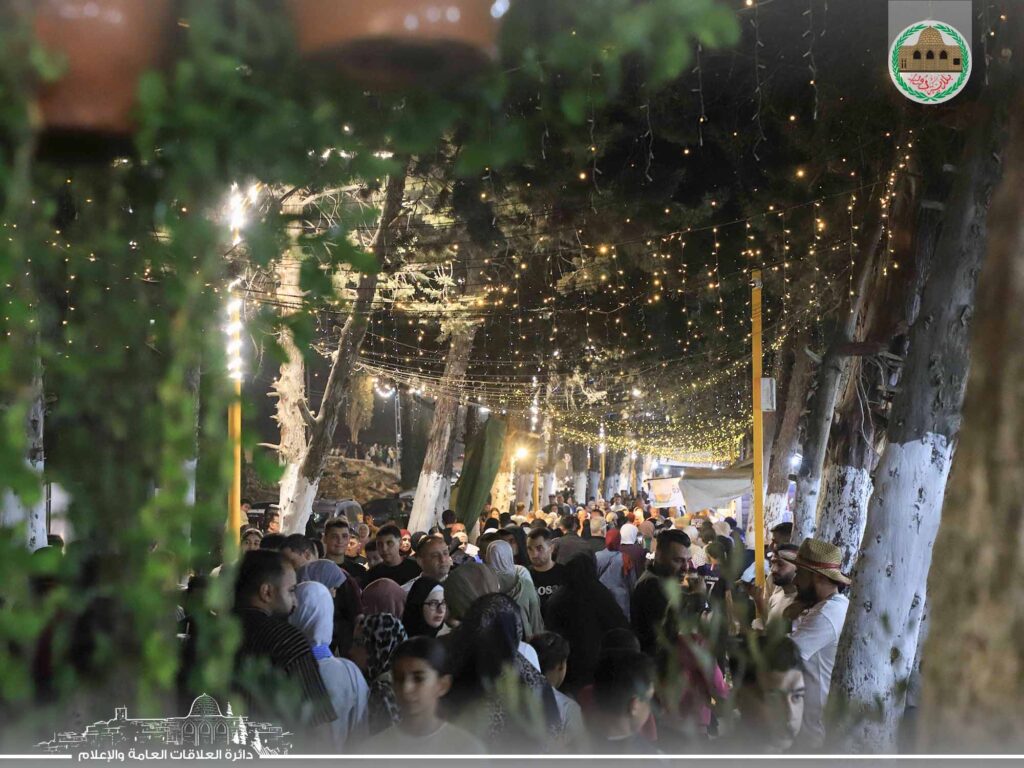
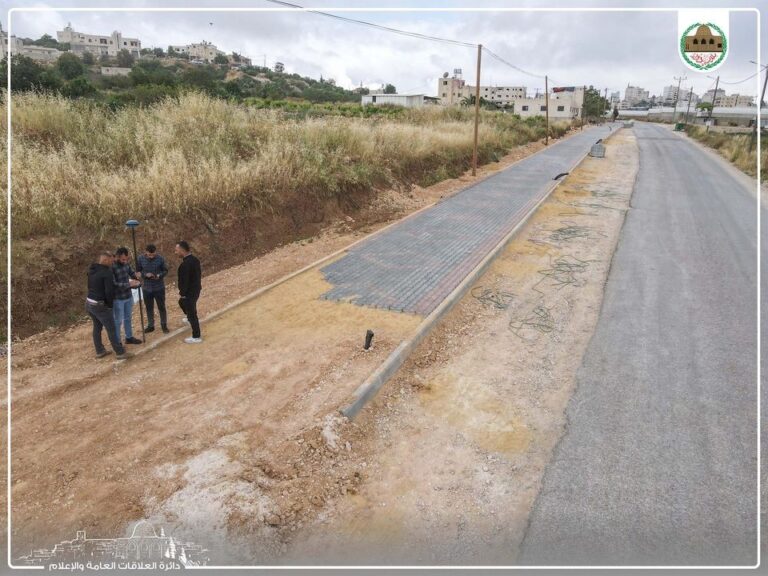
The Bir Al-Wad Park project: an old well that tells the story of how people used to draw water in the old days. The Municipality restored it and turned it into a park enjoyed by everyone who visits the city. There are also the Western Well, the Eastern Well, and the Shrine of Prophet Noah, where a takiyya serves traditional Palestinian dishes to the needy and to all visitors. The sidewalk on Agricultural Street and Tree Street have also boosted domestic tourism and created infrastructure that supports tourism and preserves the city's historical and archaeological sites.
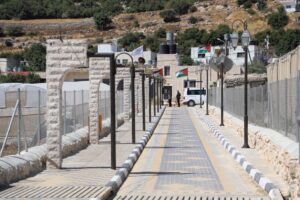
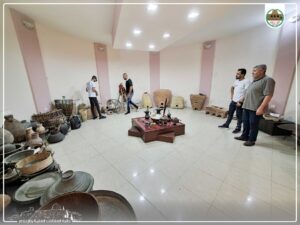
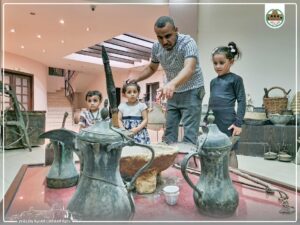
The Municipality established the Dura Archaeological Museum to preserve the city's cultural heritage and Palestinian heritage, and created a tourist trail that included restoring historical sites and building rest areas and gardens along the city's internal tourist trail.
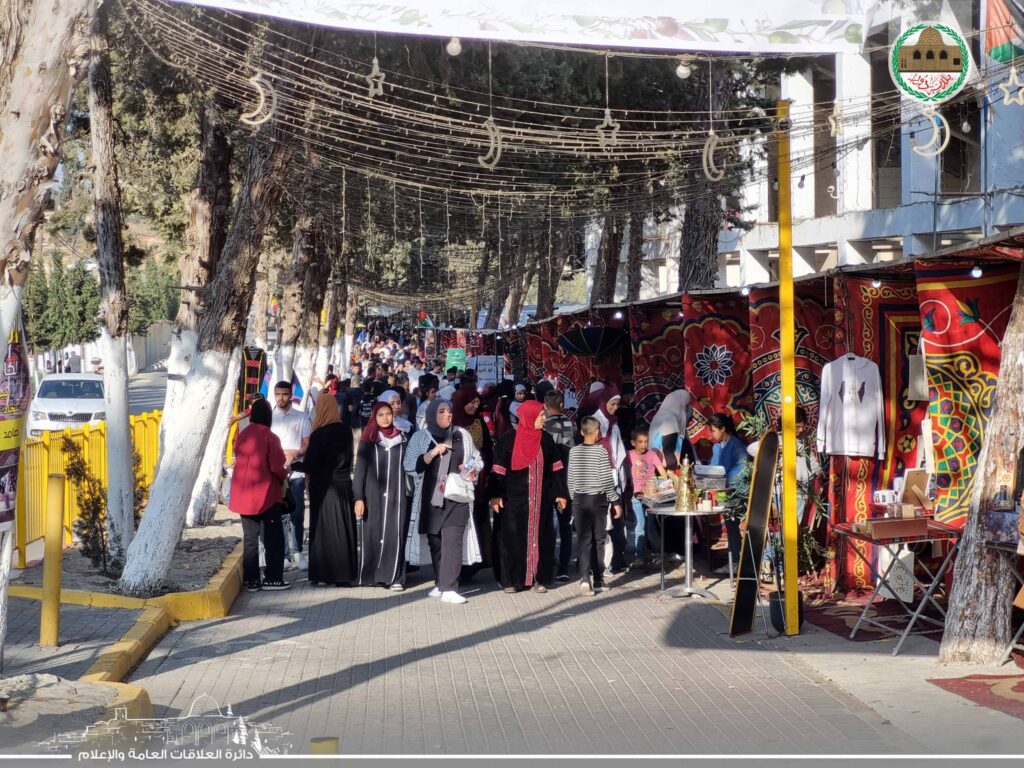
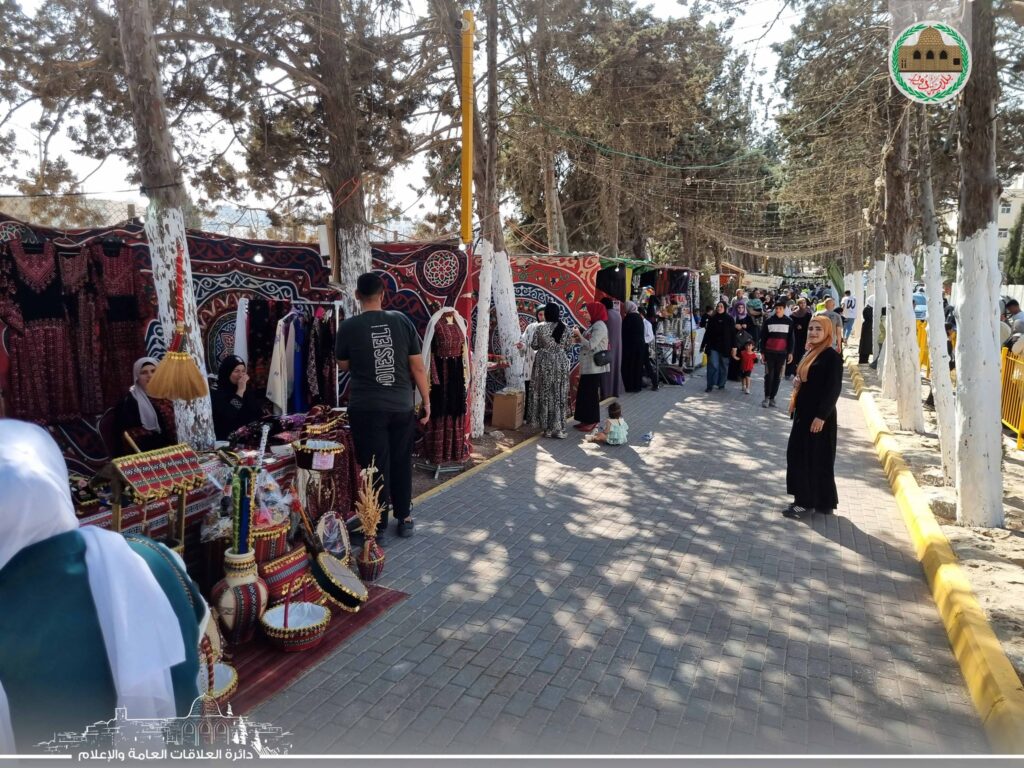
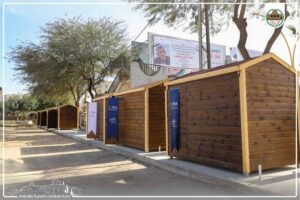
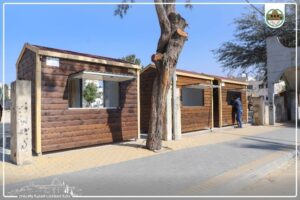
The Municipality created a new tourist trail and supplied commercial kiosks to rent to young people and farmers, helping to create new jobs through income-generating economic projects and initiatives, and helping women and farmers display and market their agricultural products and home-made handicrafts.
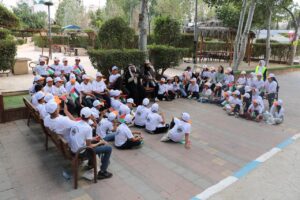
The Municipality holds an annual camp called "Tell Me About My Town", which introduces children to the city's internal heritage tourist trail. Participants walk the trail with tourism specialists and young volunteers, taking part in activities that introduce them to their history and heritage.
Dura Municipality takes part in many Palestinian national events that strengthen our people's steadfastness on their land and support and preserve our movable Palestinian heritage, including:
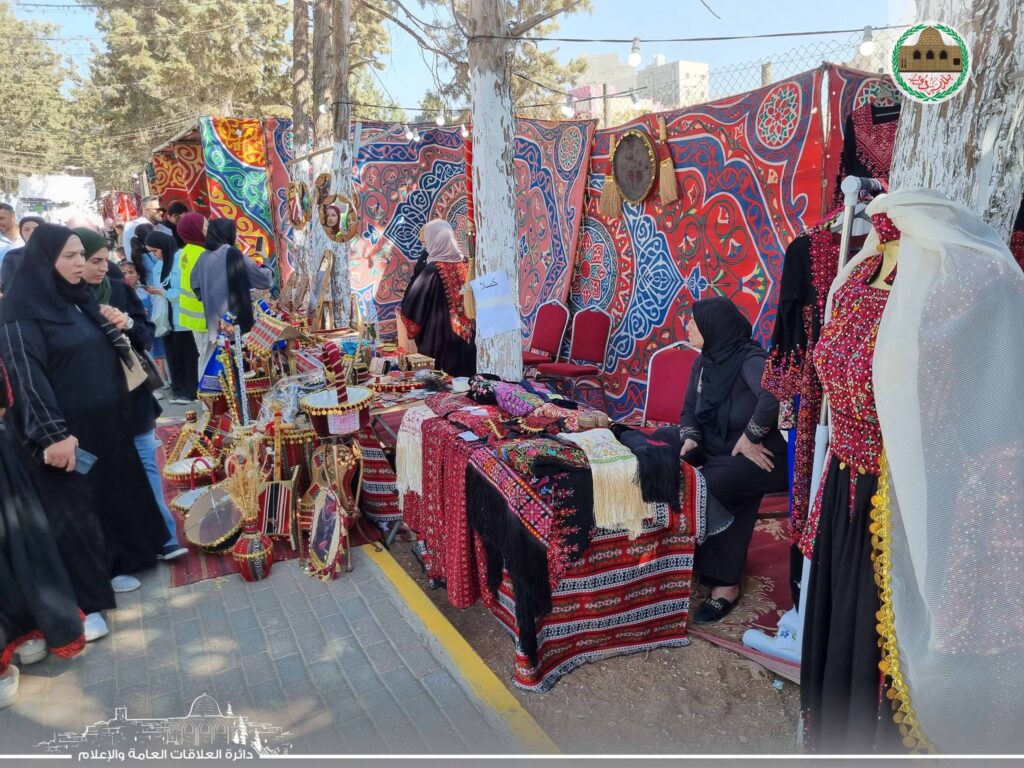
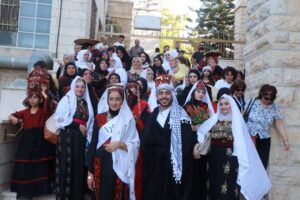
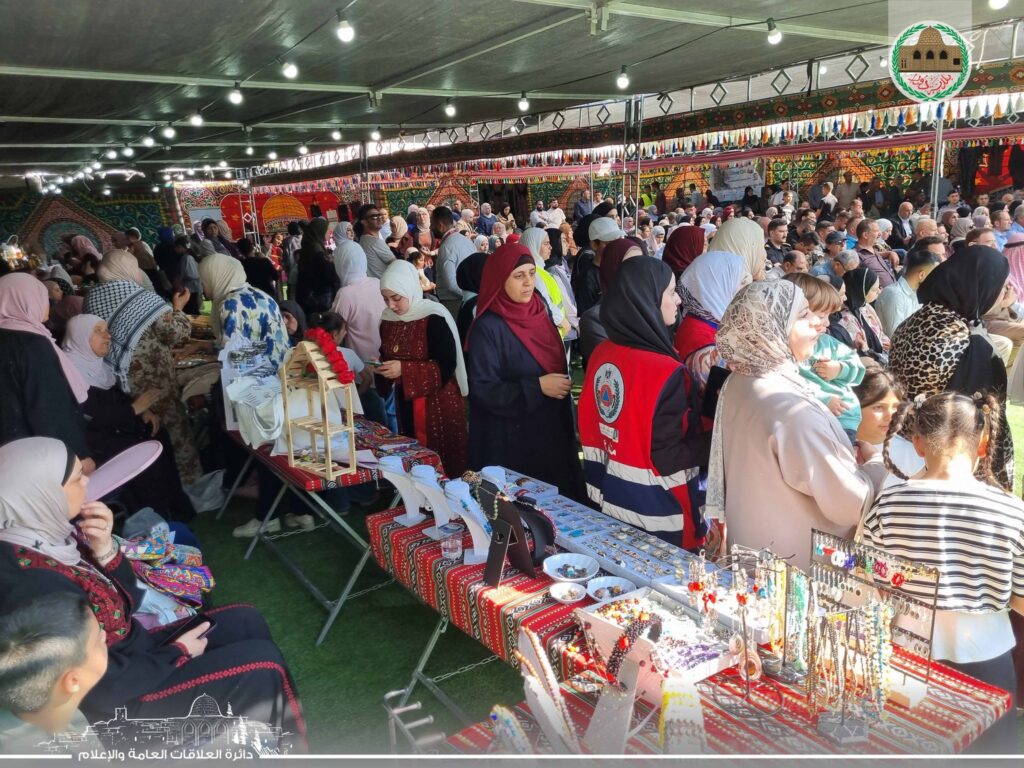
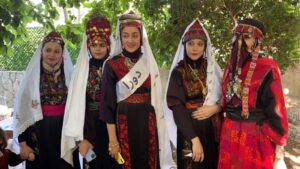
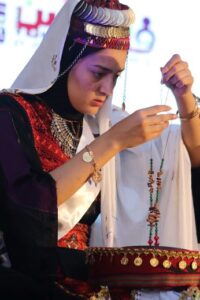
The "Flower of the Countryside" competition, where Dura won second place during Heritage Week in Birzeit. Dura Municipality, its Youth Council, the Women's Cultural Center, a pioneer of Palestinian heritage revival and a group of women from the city took part, presenting our wedding customs and traditions in Dura before 1948, telling stories of the threshing season, sharing our traditional dishes and songs, and showing our distinctive traditional clothing and precious antique embroidered dresses, each with its own story. Thanks to the guardians of heritage who pass on our ancestors' stories.
The inflatable games area in Dura Municipality Park, which strengthens partnership with the private sector, creates jobs and encourages tourism and recreation

The Bir Al-Wad Park project: an old well that tells the story of how people used to draw water in the old days. The Municipality restored it and turned it into a park enjoyed by everyone who visits the city. There are also the Western Well, the Eastern Well, and the Shrine of Prophet Noah, where a takiyya serves traditional Palestinian dishes to the needy and to all visitors. The sidewalk on Agricultural Street and Tree Street have also boosted domestic tourism and created infrastructure that supports tourism and preserves the city's historical and archaeological sites.

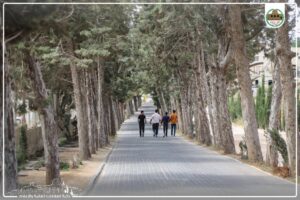
The Municipality established the Dura Archaeological Museum to preserve the city's cultural heritage and Palestinian heritage, and created a tourist trail that included restoring historical sites and building rest areas and gardens along the city's internal tourist trail.
The Municipality created a new tourist trail and supplied commercial kiosks to rent to young people and farmers, helping to create new jobs through income-generating economic projects and initiatives, and helping women and farmers display and market their agricultural products and home-made handicrafts.
The Municipality holds an annual camp called "Tell Me About My Town", which introduces children to the city's internal heritage tourist trail. Participants walk the trail with tourism specialists and young volunteers, taking part in activities that introduce them to their history and heritage.
Dura Municipality takes part in many Palestinian national events that strengthen our people's steadfastness on their land and support and preserve our movable Palestinian heritage, including:
The "Flower of the Countryside" competition, where Dura won second place during Heritage Week in Birzeit. Dura Municipality, its Youth Council, the Women's Cultural Center, a pioneer of Palestinian heritage revival and a group of women from the city took part, presenting our wedding customs and traditions in Dura before 1948, telling stories of the threshing season, sharing our traditional dishes and songs, and showing our distinctive traditional clothing and precious antique embroidered dresses, each with its own story. Thanks to the guardians of heritage who pass on our ancestors' stories.
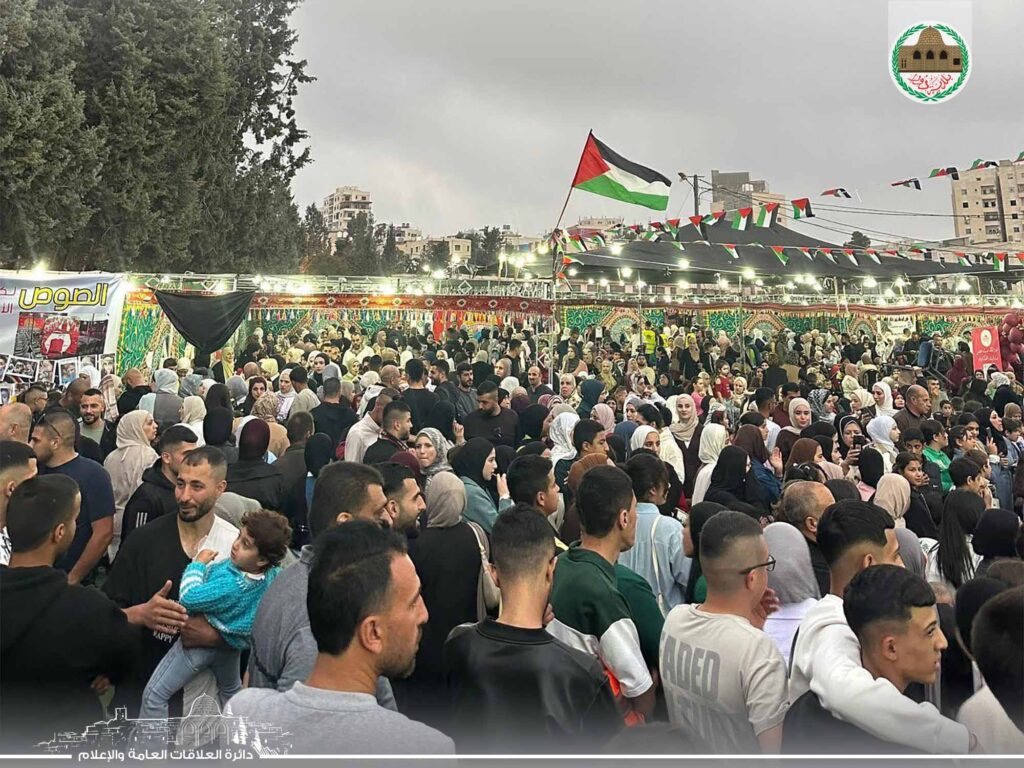
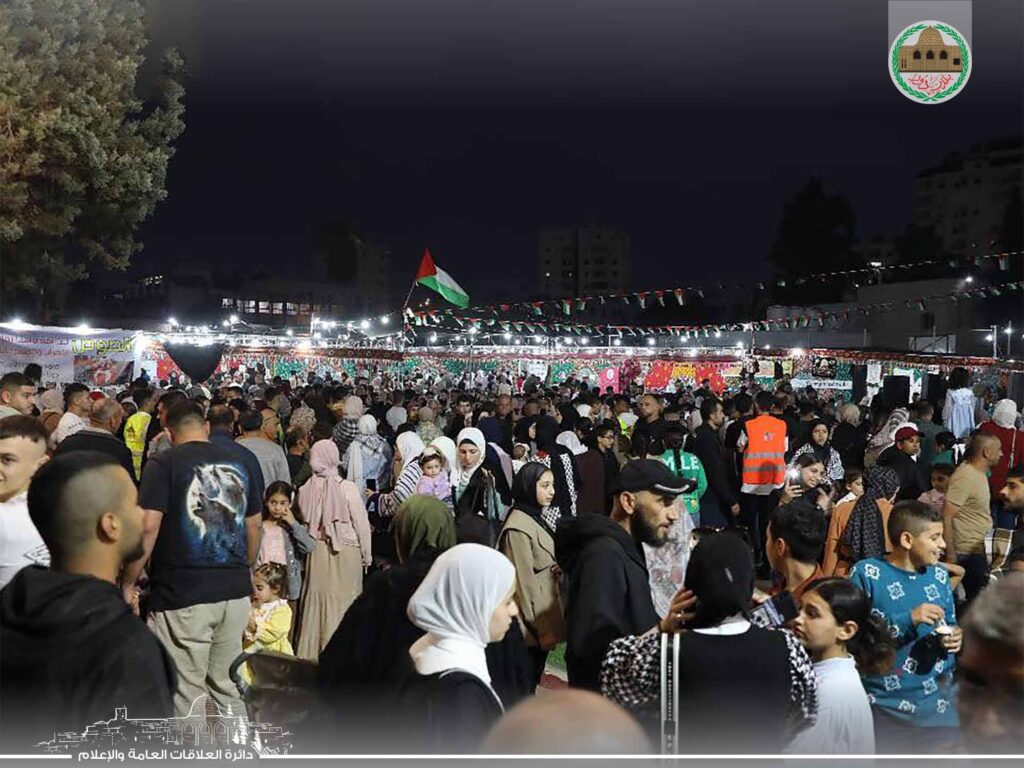
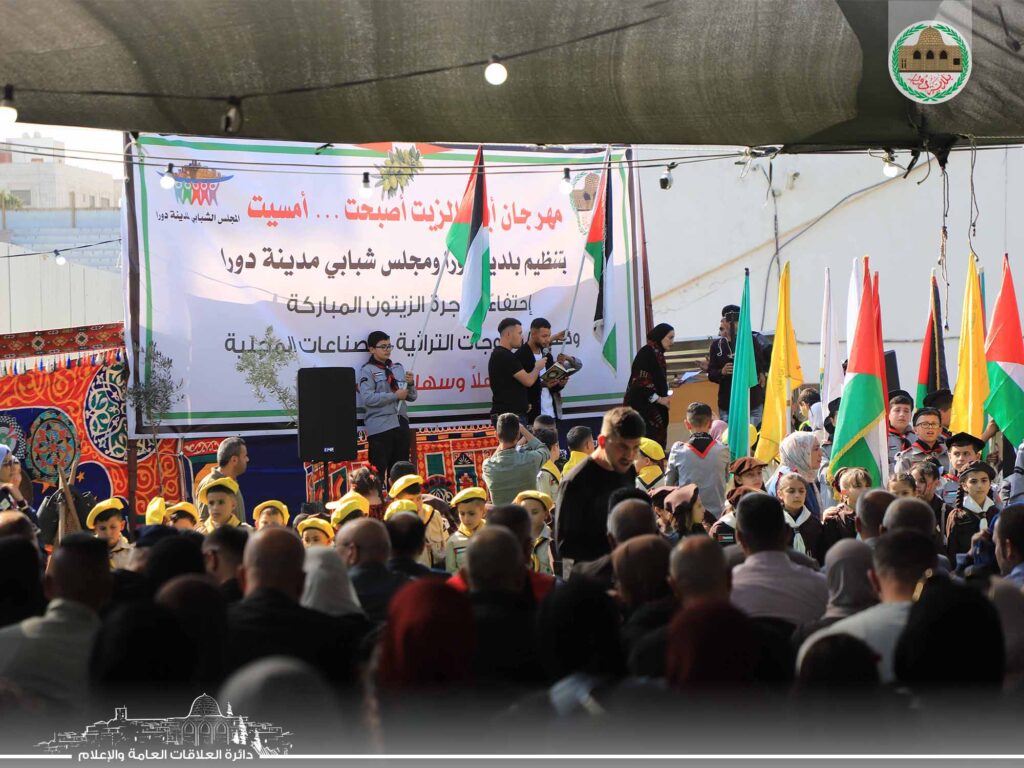
"Olive Oil Days" festival
Al-Razi School
Al-Abed
Old City